Peeling Good: The Surprising Link Between Citrus & Depression & Mental Health
Overview:
- Numerous studies suggest a link between nutrients found in citrus fruits and mental health issues such as depression, anxiety and cognitive function.
- Citrus flesh is high in dietary fibre, which promotes a healthy gut biome. Studies suggest a strong link between gut health and mental wellbeing.
- Citrus fruit is high in Vitamin C, which studies indicate may play an important role in regulating the stress hormone Cortisol.
- They are also high in folate, which also helps with stress management
- Some citrus fruit, such as Cara Cara oranges and pink grapefruit, get their colouring from antioxidants called Flavonoids. Research indicates that folate plays a crucial role in supporting healthy cognitive function
- Blood oranges contain high levels of anthocyanins, a very powerful antioxidant with strong anti-inflammatory properties that protect the brain and support good mental wellbeing.
- When included as part of a healthy, balanced diet and lifestyle, there is growing evidence that citrus fruit can help support mental health and wellness.
Citrus season is in full swing, which means the entire Dracula family has emerged from its crypt and is infiltrating produce aisles across Australia and North America.
Naughty Navels? Present!
Pink Cara Caras? Looking fabulous, Daaahling!
Baby Mandarins, Mega Mandys, Tangelo Minneolas, Lemons and our spectacular Blood Oranges? All lurking in attendance and all frighteningly delicious.
It’s no lost mystical secret that citrus fruit is ghoulishly good for your physical health. However, with R U OK? Day approaching on September 10th, we thought it was time to ask a slightly different question: Could eating citrus also support how you feel emotionally and psychologically?
Research into the link between food and mental health has been quietly gathering momentum in recent years, evolving to one of the more fertile areas of research in the field. It doesn’t take a PhD candidate to know that chocolate makes people happy. However, what we’re talking about here is a more systematic relationship between what we put in our mouths and our minds. Study after study has either pointed to or uncovered robust evidence to support a connection between higher fruit consumption and better mental wellbeing and a lower risk of depressive symptoms. However, controlled trials remain limited, and results are mixed, so nobody should start writing “MANDARINS CURE MISERY!” across the nearest billboard just yet1,2.
However, what we can say with absolute certainty is that citrus delivers a potent mix of health-giving micronutrients: fibre, vitamin C, folate, and powerful plant-based compounds associated with positive outcomes in gut health, stress responses, brain function, and inflammation. While nobody doubts the biological benefits of citrus fruits, it’s reassuring to have such a wealth of robust evidence describing exactly what that looks like for our everyday lives and physical and emotional wellbeing.
Let’s peel back the rind of the science and reveal an easy-to-digest picture of exactly how citrus fruit can help beat the blues.
The Gut-Brain Connection: Your Belly Has Feelings Too, You Know
Have you ever felt butterflies in your stomach before a bone-chilling event? Lost your appetite due to a monstrous bout of anxiety? Perhaps you’re no stranger to reaching for enough chocolate to topple a vampire after returning to your lair following a horrific day at the office?
All of these urges and emotions occur because, unbeknownst to you, your gut and brain are secretly in cahoots, busily exchanging messages with one another at all times without you even knowing it.
The so-called “gut-brain axis” is not a loose coalition of evil masterminds plotting to take over the world. It’s a two-way communication network connecting your digestive and central nervous systems. The members of this biological group chat include nerves, hormones, immune signals and trillions of microorganisms living in your gut2.
These microbes help break down dietary fibre and produce substances called short-chain fatty acids, which can influence the intestinal barrier, immune activity and signalling between the gut and brain. Researchers have found associations between disturbances in the gut microbiome and several psychiatric conditions. However, the relationship status is currently listed as “it’s complicated”. While there is a growing body of evidence of a causal link, the science has not yet conclusively established that changing gut bacteria will cure a mental-health condition3. The bottom line is, keep doing what you’re doing, nurture your gut biome, but make it a part of your general wellness routine, rather than putting all your fruit in this one basket.
Where does citrus come in?
Whole oranges, mandarins, tangelos, grapefruit and other citrus contain some of the highest levels of dietary fibre of any fruits. Unlike juice, which loses much of the fibre during processing, whole fruit gives your gut microbes a smorgasbord of their favourite treats to devour. A sumptuous, romantic meal puts them in the mood to multiply faster, tipping the balance of your biome to the good side.
Charming little critters when you get to know them!
Vitamin C: Taking Some of the Bite Out of Stress
Vitamin C is the celebrity nutrient of the citrus world. It hogs the nutritional limelight, especially when cold and flu season comes around. That connection is well deserved, as citrus fruits remain one of the easiest and most scrumptious ways to ensure your C levels are adequate.
What many people don’t know about Vitamin C is its intriguing relationship with stress.
When trapped in a dungeon, chased by werewolves, or facing any other stressful situation that life can throw at you, your body releases cortisol. This hormone helps mobilise energy to make you alert and ready to respond to danger rapidly. This is perfect for when you’re fighting off brain-eating zombies. However, during the working day, constant small stresses like overflowing inboxes, grumpy bosses, incompetent colleagues and annoying clients can cause cortisol to incrementally build up to unhealthy levels and stay there for extended periods. Being in a constant state of fight-or-flight is hardly a healthy emotional place to be.
Vitamin C helps regulate the body’s cortisol production, with studies showing that sufficient doses can help flatten out the peaks and counteract the stress that people feel from everyday life4,5. Again, it’s not quite as simple as an orange a day. An average orange contains about 70- 80 mg of Vitamin C. Sure, that’s about 80% of your recommended daily intake, but these studies trialled mega-doses ranging from 1,000–3,000mg per day. So, a Daily Drac won’t drive a stake through the heart of your stress, but it will play its part in vanquishing the foe!
Folate: Helping the Brain Make Its Chemical Messengers
Folate, otherwise known as vitamin B9, is best known for supporting healthy development during pregnancy. However, its job doesn’t end once the wailing, poopy nappies and sleepless nights begin.
Your brain uses folate in processes that help produce and regulate neurotransmitters, including the ones that play a pivotal part in your mood: serotonin, dopamine and noradrenaline.
The relationship is not as simple as “eat folate, manufacture happiness”. The brain is not a vending machine, and serotonin production depends on numerous nutrients, enzymes and biological processes.
However, low folate status has repeatedly been associated with depression. By contrast, studies showed that increasing folate levels can neutralise this phenomenon6. As we’ve seen above, this does not make citrus fruit a magic bullet that will end your folate issues. However, oranges are among the more plentiful sources of folate, so including them in a varied diet can help provide more of the raw nutritional materials your nervous system needs to do its extraordinarily complicated job.
No cape. No dramatic entrance music. Just quiet, dependable biological admin.
Flavonoids: Citrus Compounds With Plenty of Brainpower
Flavonoids are natural plant compounds that help create the colour, flavour and protective properties of fruit and vegetables. Notably – you guessed it – flavonoids are found in swathes in citrus fruit!
Researchers are interested in flavonoids because of their antioxidant and anti-inflammatory properties, and their potential influence on blood flow and signalling within the brain. Their work has found small but important improvements in cognitive function in people consuming these compounds7,8. One of these studies specifically used orange juice as its source of flavonoids, with promising results9.
You probably guessed the next sentence: The evidence suggests potential impact rather than a magic cure for your brain fog. Nevertheless, choosing flavonoid-rich whole fruit as a regular snack seems a far more promising strategy than staring into the fridge and hoping your keys materialise somewhere between the Vegemite jar and last Tuesday’s stirfry leftovers.
Anthocyanins: Blood Orange Protection From the Dark Side
Anthocyanins are pigments that give blueberries, cherries, blackcurrants and Dracula Citrus’ signature blood oranges their deep red, purple and blue colouring.
They are also what separates our bloodthirsty beauties from ordinary oranges. Cara Caras get their pink colour mainly from carotenoids, whereas Blood Oranges earn their dramatic crimson flesh from anthocyanins.
As we have previously established, blood oranges are incredibly good for you. Their anthocyanins have powerful antioxidant and anti-inflammatory properties10 that are attracting plenty of attention from brain researchers.
Inflammation is part of the body’s defence system. In the short term, it helps us respond to infection or injury. When inflammation becomes chronic or poorly regulated, however, it may disrupt communication between brain cells and has been implicated in neurological and psychiatric disorders. By disrupting this process, anthocyanins can regulate inflammation and reduce oxidative stress. More research is required, and studies to date used concentrated anthocyanins rather than fruit salad as their clinical pathway11.
However, blood oranges offer anthocyanins alongside vitamin C, folate, fibre and citrus flavanones. That is an impressive collection of nutritional talent in one gloriously gothic package!
This R U OK? Day, Feed the Conversation
No single food can guarantee happiness, banish anxiety or treat depression. Mental health is shaped by an intricate mixture of biology, relationships, circumstances, sleep, movement, healthcare and countless other factors.
Food is one part of that bigger picture.
Adding a Navel, Blood Orange, Pink Cara Cara, Baby Mandarin, Mega Mandy or Tangelo to your day provides nutrients and plant compounds involved in normal brain and body function. It is simple, delicious and significantly easier than interpreting the average wellness influencer’s 47-step morning routine.
More importantly, R U OK? Day reminds us that supporting mental health is about people, not just nutrients.
On September 10th this year, share a kind word and some yummy citrus with somebody you care about, to see if they are Ok?
Listen properly to the answer. That conversation could matter far more than anything in the fruit bowl.
This article provides general information only and is not a substitute for professional medical or mental-health advice. Citrus fruit can support a balanced diet but does not prevent or treat mental illness. If you or somebody you know needs urgent support, contact Lifeline on 13 11 14. If life is in immediate danger, call 000.
FAQ
Does citrus fruit help promote good mental health?
A: Many of the nutrients found in citrus fruits have been proven to play a role in supporting good mental health and wellbeing.
What is the link between citrus fruit and depression?
A: Citrus fruits are very high in fibre, which supports a healthy gut biome. Research has identified a strong link between gut health and mental health, including lowering depression.
Does eating citrus help reduce stress?
A: Studies show that high doses of Vitamin C are effective in regulating the stress hormone Cortisol. Citrus fruits are one of the best and most delicious sources of Vitamin C and may help people better manage stress.
Does eating citrus help boost serotonin and dopamine levels?
A: Citrus fruit is high in folate, also known as Vitamin B9, which research suggests boosts the body’s production of neurotransmitters such as serotonin, dopamine and noradrenaline, all of which play a crucial role in boosting mood.
Does eating citrus help maintain cognitive function?
A: Some citrus fruits such as Cara Cara Oranges and pink grapefruits get their pink colour from flavonoids, which have powerful antioxidant and anti-inflammatory properties that may help the body maintain good cognitive function.
an Blood oranges help maintain cognitive function?
A: Blood oranges contain incredibly potent antioxidants called anthocyanins, which have anti-inflammatory properties that may help protect the brain from cognitive decline.
Does eating citrus fruit improve mental health
A: When included as part of a nutritionally balanced diet and healthy lifestyle, there is a growing body of research to suggest that eating citrus fruit daily may help to support good mental health and cognitive function.
Sources
- Głąbska D, et al. “Fruit and Vegetable Intake and Mental Health in Adults: A Systematic Review.” Nutrients, 2020.
- Appleton KM, et al. “Does fruit and vegetable consumption impact mental health? Systematic review and meta-analyses of published controlled intervention studies.” British Journal of Nutrition, 2024.
- Cheng J, et al. “Gut microbiota-derived short-chain fatty acids and depression: deep insight into biological mechanisms and potential applications.” General Psychiatry, 2024.
- Brody S, et al. “A randomized controlled trial of high dose ascorbic acid for reduction of blood pressure, cortisol, and subjective responses to psychological stress.” Psychopharmacology, 2002.
- Beglaryan N, et al. “Vitamin C supplementation alleviates hypercortisolemia caused by chronic stress.” Stress and Health, 2024.
- Gao S, et al. “Folate supplementation as a beneficial add-on treatment in relieving depressive symptoms: A meta-analysis of meta-analyses.” Food Science & Nutrition, 2024.
- Stevens Y, et al. “The Intestinal Fate of Citrus Flavanones and Their Effects on Gastrointestinal Health.” Nutrients, 2019.
- Cheng N, et al. “Dietary Flavonoids and Human Cognition: A Meta-Analysis.” Molecular Nutrition & Food Research, 2022.
- Kean RJ, et al. “Chronic consumption of flavanone-rich orange juice is associated with cognitive benefits.” American Journal of Clinical Nutrition, 2015.
- Martins KVC, et al. “Effects of anthocyanins on the modulation of neuroinflammation: a systematic review of in vivo studies.” Critical Reviews in Food Science and Nutrition, 2026.
- Lorzadeh E, et al. “The Effect of Anthocyanins on Cognition: A Systematic Review and Meta-analysis of Randomized Clinical Trial Studies.” Current Nutrition Reports, 2025.
Why is cold pressed better for you?
While we’ll always advocate that fresh fruit is best, when it is out of season (like we are now) and you’re looking for the next best thing, juice may just be that thing that gets you over the line. Thing is, not all juices are created equal. This blog explains the key health differences between cold-pressed juice and the processed juices that sit on shelves for months at a time.
Cold pressed juice vs processed juice
As the name suggests, it’s the heat, or lack of, during the juicing process that makes the difference. Unlike juices made using centrifugal force (fast-spinning mechanical blades), cold pressing uses a hydraulic press to crush and press fruit slowly without the heat or friction. This gentler method reduces oxidation and helps retain more of the vitamins, minerals and antioxidants found naturally in the fruit.
The way juice manufacturers choose to manage eliminating micro-organisms also dictates how much heat is applied, impacting taste, nutrients and shelf life. Processed juices that go through the pasteurisation process use heat to kill off micro-organisms. And while this improves shelf life, an important factor in mass produced and commercially sold products, it also degrades the flavour, colour and nutrients of the juice. The difference is noticeable enough for many commercial juice companies to add artificial colours, vitamins, and flavours back into their product.
Seems counter-productive, right?
Especially when you can extend shelf life AND preserve the good stuff in juice using high pressure processing.
High Pressure Processing (HPP) is a method that uses cold water and extremely high pressure to break down bacterial cell membranes and eliminate harmful microbes, all without heat. It’s a method commonly used with cold-pressed juice, especially where shelf life is required. While HPP doesn’t have the same eextended shelf life as heat pasteurisation, it does significantly extend freshness, making it possible for businesses to produce and sell cold-pressed juice at scale without sacrificing nutrition.
Is cold pressed better for you?
Yes. Cold pressing helps to maintain the vitamins, minerals and antioxidants of citrus (and fruit in general). And there are good reasons to preserve those nutrients:
Antioxidants:
Antioxidants help to fight off free radicals and prevent damage to our cells by reducing oxidative stress. In very simple terms, free radicals can inflict harm to our bodies which increase our susceptibility to aging and a wide range of ailments like Alzheimer’s, heart disease, arthritis, diabetes, Parkinson’s and certain cancer.
Vitamins and Minerals:
Having Vitamin C in your diet helps to keep your white blood cells functioning and your immune system strong. This is important for so many reasons like improved wound healing, absorbing iron and moderating glucose levels. Citrus contains folate which is essential for healthy red blood cells, DNA and for cell growth and division which is super important during pregnancy but also aids in reducing risk of heart disease and stroke.
Why cold press when you can squeeze fresh?
Australia is globally recognised for producing some of the best citrus on the planet. Our climate delivers incredible flavour, colour and size, but the peak season is short with our varieties being available for roughly six months, from July to December.
While fresh fruit will always sit at the top of the nutrition chain, followed closely by fresh juice, once the fresh supply of Aussie citrus runs out, you have to wait. That’s where cold-pressed options really shine.
By cold pressing our citrus during the seasonal window, we can capture all the good stuff, like natural sweetness, nutrients and colour, while the fruit is in peak condition, and make them available for longer than the fresh fruit season allows.

Should you buy cold pressed juice?
Cold pressed juice isn’t just a trend, there are real health benefits to choosing cold pressed over processed juices. It’s a smarter way to preserve the health benefits we need from the foods we eat while also enjoying a flavour that is as close to fresh as you’ll get.
For a country like Australia, where demand for the quality of our citrus is high but the season is short, cold pressed options allow us to bottle peak flavour and nutrition rather than lose it. It bridges the seasonal gap, allowing access to varieties, like blood oranges, that significantly differ in quality, colour and taste depending on region, long after the last piece of fruit has left the orchard.
Fresh will always be best. We’re huge advocates for this. But when fresh runs out, cold pressed is the next best thing we’ve found.
Side note:
Over the years we’ve had plenty of (sadly impossible) requests to extend the Aussie blood orange season. If we could, we would. Beyond the incredible work our farmers put in, the climate and growing conditions are out of our control. And that’s exactly what makes our citrus so exceptional. Eating it in season is everything. We’ve seen first-hand how dramatically blood oranges vary in colour, flavour and aroma in other growing regions around the world. It doesn’t compare and that’s not boasting, it’s reality.
Knowing this, we went on a mission to “extend the season” of our most requested variety: our Dracula blood oranges.
This blog was inspired by the journey we took to find a solution that would preserve the qualities of our fruit after the season ends. A huge thanks goes to Chris and the team at Little West for cold pressing our Aussie blood oranges with so much care. The live tastings we held back in October proved the colour, flavour and quality were almost identical to fresh-squeezed. Many people couldn’t tell the difference at all. Even our blood orange grower, Vito, was impressed.
For us, cold-pressed juice is an absolute win for everyone.
At the time of writing this blog, our cold pressed blood orange juice was available for purchase via the Little West website and in selected Hy Vee stores across America. For more information on how to retail our blood orange juice for 2026, please contact the team on info@draculacitrus.com.au

Why We Exhibit (Even When It Doesn’t Pay Straight Away)
Every year, Dracula Citrus packs up its fruit, fangs, and flair to exhibit at the Global Produce and Floral Show. It’s one of the largest events on the global produce calendar. It’s an enormous commitment that moves across America each year, drawing over 1,100 exhibitors, 3,500 buyers, and representatives from more than 50 countries.
We know it’s going to be expensive.
We know we’ll work long hours.
We know it’ll involve lugging fruit, setting up displays, solving
unexpected problems, and answering hundreds of questions on the fly.
And we do it anyway because it matters.
Expos aren’t about instant results. The true value is seeing everyone & building strong relationships with all our trade partners. While hundreds of samples are handed out and thousands of conversations unfold, what’s really being built is trust and that’s something money can’t buy.

The Sensory Power of Being There
Food is a sensory experience. You don’t just see it. You smell it, taste it, and feel it. Our product isn’t just fruit; it’s theatre. It’s an experience you want to have again and again.
Online, our brand tells a story. On paper, it adds personality and a point of difference that retailers love. But how do the world’s biggest retailers get a sensory experience when they’re 7,500 nautical miles (13,900 kilometres) away?
You bring the experience to them.
This year, as it has in past years at this expo, our citrus came alive with our vibrant display, cold-pressed juice samples, blood orange margaritas, grower insight, and the kind of human connection you just can’t get through a video link. It’s here that our quirky vampire branding meets real-world credibility, backed by Australian-grown, exceptional produce.
 In a world of digital catch ups, this event proves that face-to-face still matters in the produce industry.
When you’re a supplier on the other side of the world, the decision for a retailer to import your product often comes down to three things: out-of-season availability, quality and, most importantly, trust.
Trust that your fruit will arrive on time, at quality, and at scale.
Trust that your team will deliver.
Trust that your brand has depth, not just design.
Face-to-face exhibits allow us to build that trust. The inflection in our voices, the enthusiasm in our pitch, the authenticity of our team are things that can’t be conveyed in an email chain. They’re felt in person.
Events like this don’t just build brand awareness; they build relationships and communities both externally with customers and internally within our own team.
One of the most underrated benefits of events like this is that everyone’s in the same room. This includes customers, competitors, suppliers, industry leaders, and even the extended Dracula team.

Surprise, I don’t work for Dracula Citrus.
Yep, Dracula Citrus and Pinnacle Fresh are clients for the brand studio I work for. We have lived, breathed and loved the Dracula Citrus brand since its inception. I was lucky enough to be invited to attend this event with the Pinnacle Fresh team and experience their team dynamic firsthand.
And I write this blog as if I were part of the team because that’s how they made me feel.
It was the first time I’d met many of the U.S. team in person. Email addresses turned into faces, and what struck me most was how connected and motivated they all were.
Despite many being new, the energy and camaraderie were unmistakable. It reminded me how much employee engagement matters. Not just for productivity, but for culture and brand authenticity.

A happy team is a productive team. One insightful article from Forbes about keeping employees productive stated “motivating employees is good, but keeping them happy is the real secret” and from what I saw at this event, this statement couldn’t be more accurate. The Pinnacle Fresh team is passionate, proud, and they genuinely love what they do. It shows and it’s infectious to be around.
What I realised is that you learn more in these three expo days than years behind a desk. You see what the industry is doing, what global standards are shifting toward, and how your brand stacks up.
Three days on the floor gave immeasurable insight and invaluable conversations. It replaced dozens of future video calls, gave live customer feedback, and offered a front-row seat to innovation across the industry.
The After-Buzz
The exhaustion is real, but so is the buzz. The energy that follows an event like this is electric. You leave inspired, informed, and reconnected with your team, your customers, and your purpose – even if these things are contracted to you.
We may not walk away with purchase orders in hand, but what we do take home is far more valuable: momentum, trust, connection, and belief in the brand we’re building together. It’s opened many doors and every year we see growth in our brand recognition, market share and the places we’re reaching.
And that’s why we’ll do it all again next year.
Few things get a Friday night started like a margarita. The combination of both fresh and liquor flavoured citrus and a good tequila make for a tasty silent assassin. While everyone has their take on what the perfect margarita should be, we thought we’d shed some light on what makes a margarita such a popular choice.
Margaritas are a citrus based cocktail so they are the perfect drink to celebrate the Dracula Citrus range. With so many tequilas and citrus varieties to choose from, the options are almost endless. Especially during peak citrus season. This blog is our ode to the magically versatile margarita along with some handy notes and a few of our favourite margarita recipes.
Before your mix
There are three things ALL margaritas must have in order to be classified as a margarita.
- Tequila
- Orange liqueur
- Citrus (controversially we put all citrus on this list, not just lime)
Let’s talk about tequila.
We’ve all heard horror stories about having a night on tequila. Although tequila can translate into PTSD for some, if you treat this spirit with the respect it deserves (rather than shooting 15 in 15 minutes like a maniac) you may just rekindle a lost love rather than swear off it for life.
What is the primary ingredient in tequila?
No, it’s not a cactus but you’re on the right track. Tequila is derived from the Weber blue agave succulent, which is native to the semi-arid regions in Southern America. When the heart of the plant, or piña, is cooked down, the starchy residue from this process is used and converted to fermentable sugars. Add some yeast to this and the resulting liquid is the base of tequila. It’s a little more complex than this, but you get the basic idea.
Can anyone make tequila?
No. Think of it like Champagne versus a sparkling white. Interestingly, only Weber Blue Agave plants grown in certain regions of Mexico can be used to process and label the spirit as “tequila”. Tequila is produced under strict regulations and regional allocation which protect its cultural identity, so a true tequila will be harvested and produced from one of these 5 states of Mexico:
- Jalisco
- Guanajuato
- Michiacán
- Nayarit, or
- Tamaulipas
The labelling of tequila is protected by Denomination of Origin Tequila (DOT). Anything made outside of these areas MUST be labeled as ‘Agave Liquor’ or similar.
Which tequila should I use in a margarita?
This really depends on your taste but if you want to really get the agave flavour shining though then a younger tequila is best. Tequilas, like a blanco or silver, have been aged in oak for a short time (up to two months) so they will give you a purer agave flavour.
Other varieties are aged for much longer, giving them a golden colour and more complex flavour with hints of vanilla, caramel and spice. They usually cost a bit more for the trouble. Reposado is typically aged up to a year in oak while an Añejo is aged between one to three years in oak giving it a smoother, more developed flavour profile. Both are totally fine to use in a margarita but you will change the flavour of things slightly choosing one over the other.
Our suggestion? Try a few types of tequila. There is no right or wrong and most of the time it comes down to personal preference. For the brave, nothing beats a top notch tequila straight or over ice with a slice of lime.

Our top tequila picks for margaritas:
El Jimador Añejo and Reposado
An affordable and beautifully finished tequila. You get solid bang for your buck with El Jimador. Pure agave notes and a spicy, oaky finish. The flavours are a little more complex in the Reposado due to a longer aging process, so if you don’t mind spending the additional coin, this is a brilliant entry level aged tequila that won’t disappoint.
Casamingos Blanco
Crisp and clean with hints of citrus, vanilla and sweet agave. It pairs well with blood oranges which are not as sweet as navels, and offers a smooth and refined kick to your margaritas.
Teremana Blanco.
Teremana is a premium, small batch tequila made in Jalisco, Mexico. It’s a smoother finish with hints of green pepper and a pure agave. If you don’t mind spending a little bit more then it’s worth the investment. Afterall, it’s part owned by Dwayne “The Rock” Johnson and there’s not much he doesn’t do well.

Our top Triple Sec picks for margaritas:
Triple Sec is a type of intense citrus-flavoured liqueur. Although you don’t have to add it to your margarita, it is a great way to push the citrus base and general sweetness of your margarita.
Cointreau
By far the most popular brand of Triple Sec. Cointreau is French and is made from bitter sweet orange peels giving it an intense orange flavour.
Luxardo
Luxardo is an Italian brand of triple sec that is made from tangerines so the flavour profile is a little more more zesty or lemony.
Our favourite margarita recipes

The Classic
Tried and true. You can’t go wrong with this recipe. It’s everything you’d expect from a classic. Salty, sweet and just the right amount of kick.
What you’ll need:
- 45ml tequila (preferably blanco)
- 30ml Cointreau
15ml Agave nectar (or sugar syrup) - 60ml Fresh Lime Juice (or lemon)
Prepare your cocktail glass by dipping part or all of the rim in juice then dip the rim of your glass into the salt until it sticks. The amount of salt is up to your liking. Set your prepared glass aside.
Fill your shaker with ice and add all ingredients. Replace the shaker lid and shake until the cocktail shaker appears frosty in your hands. Strain your cocktail into the prepared glass and garnish with lime or lemon.

Cara Cara Margarita
When in season, Cara Cara navels are sweet and juicy with a gorgeously pink flesh. You won’t see a dramatically pink hue in your margarita but your margarita will taste slightly sweeter than the classic.
What you’ll need:
- 30ml El Jimador tequila,
- 15ml Cointreau triple sec
- 30ml fresh lime juice
- 60ml fresh Cara Cara orange juice
- Ice
- Cocktail shaker
- Shaved Himalayan pink salt
Prepare your cocktail glass by dipping part or all of the rim in juice then dip the rim of your glass into the salt until it sticks. The amount of salt is up to your liking. Set your prepared glass aside.
Fill your shaker with ice and add all ingredients. Replace the shaker lid and shake until the cocktail shaker appears frosty in your hands. Strain your cocktail into the prepared glass and garnish with fresh or dehydrated citrus.
“Cold Blooded” Margarita
Blood oranges are not as sweet as a navel but they definitely not as sour as a grapefruit. They’re somewhere in between. This makes them perfect for a margarita in terms of flavour and beautiful in presentation due to the deep red colour of the juice. This recipe is one the Dracula Citrus team uses regularly at events to showcase our delicious Aussie bloods. Give it a go at your next party. It’s a winner.
What you’ll need:
- 30ml El Jimador Añejo
- 15ml Luxardo Triplum triple sec
- 15ml fresh lime juice
- 20ml Bickfords lemon juice cordial
- 30ml fresh blood orange juice
- Glass
- Ice
- 1 tsp salt
- 5ml lime juice (or lemon)
Prepare your cocktail glass by dipping part or all of the rim in juice then dip the rim of your glass into the salt until it sticks. The amount of salt is up to your liking. Set your prepared glass aside.
Fill your shaker with ice and add all ingredients. Replace the shaker lid and shake until the cocktail shaker appears frosty in your hands. Strain your cocktail into the prepared glass and garnish with fresh or dehydrated citrus.

Jalapeno Margarita
This margarita will leave a tingle on the tongue and a smile on the dial. A twist on the classic that delivers a kick of heat, this margarita pairs well with a bowl of corn chips with fresh guacamole or spicy queso dip.
What you’ll need:
- 45ml tequila (preferably a blanco)
- 30ml Cointreau
15ml Agave nectar (or sugar syrup) - 60ml Fresh Lemon Juice
- 10ml vinegar from jalapeno jar
- 4 x pickled jalapeno segments
- 1 tbs Tajin or chilli salt
- Ice
Prepare your cocktail glass by dipping part or all of the rim in juice then dip the rim of your glass into the salt until it sticks. The amount of salt is up to your liking. Set your prepared glass aside.
Fill your shaker with ice and add all ingredients. Replace the shaker lid and shake until the cocktail shaker appears frosty in your hands. Strain your cocktail into the prepared glass and garnish with fresh or pickled jalapenos.
Whether you like the classic, the bold (and blood-red), or with a spicy jalapeño kick, one thing’s clear… citrus is the soul of this cocktail. At Dracula Citrus, the margarita is a celebration of what fresh, flavour-packed citrus can do. With the right tequila, a good squeeze of seasonal citrus, and a few of our helpful hints, you’ve got everything you need to shake up something magical.
Citrus And Cheese? Unexpected Pairings That Actually Work.
Add a little zest to make your cheese shine.
For the lactose-tolerant, cheese is a thrilling world. Whether melted, mixed in, baked or headlining a charcuterie board, cheese is one of those indulgent feel-good foods full of flavour. Hard to believe you could make it taste any better but surprisingly, or not if you think about it, cheese and citrus are one of those combos made in heaven. It’s a sweet, salty, zesty combo that works across the board for entré, main and dessert.
Why sweet and salty works
While cheese can have a variety of flavour profiles and textures, saltiness is one characteristic that all cheeses have in common. Salt is added during the cheese making process not only to enhance taste but also to inhabit unwanted bacteria and mold growth. When paired with citrus, the saltiness of the cheese works to amplify the sweetness of the fruit while suppressing the bitterness. The result is an irresistibly creamy, salty and sweet flavour bomb.
Know your cheese
First-things-first. You MUST get to know your cheese. It’s the key to pairing the right kind of citrus to the right kind of cheese. The texture, intensity, and flavour profile of cheese play a crucial role in getting the balance right to complement the bold, zesty, and sometimes bittersweet notes of citrus. There are five distinct categories of cheese:
- Fresh Cheese
- Soft-Ripened Cheese
- Semi-Hard or Semi-Soft Cheese
- Hard Cheese
- Blue Cheese

Fresh Cheese
Also known as ‘young cheese’, have a short production time (around a day) and need to be consumed soon afterwards. They are a soft, rindless variety with a high moisture content and are often mild, creamy or tangy in flavour. Fresh cheese creates the perfect stage for citrus to shine.
Popular varieties:
Feta
Traditionally made from sheep or goat’s milk, feta is a popular fresh cheese known for its sharp, tangy and salty flavour. Its creamy texture and gentle acidity complement the natural sweetness and brightness of fruits like mandarin and orange. When paired together, the result is a refreshing contrast. Serve a generous smear of feta on a crisp cracker or slice of baguette, then top it with a few segments of fresh citrus and a drizzle of honey or a sprinkle of cracked pepper for a snack that feels equal parts nutritious and indulgent. It’s a pairing that’s simple yet sophisticated, and it’s ideal for entertaining or elevating your everyday grazing game. Our pick has to be Meredith Dairy’s range of marinated goat’s cheese. Smooth, creamy and delicious.
Fresh Mozzarella
Fresh mozzarella is usually made from cow’s milk and will be sitting in brine. It is mild in flavour and soft and silky in texture, perfect for balancing acidity and lifting out the sweetness from zesty or tart flavours, like those found in citrus. Although fresh mozzarella is a great addition to salads, eating it on its own is just as satisfying. Especially when you get wonderfully creative ideas like these Marinated Mozzarella Balls from The Last Ingredient.

Soft-Ripened Cheese
Soft-ripened cheeses are characterised by a soft, white, “bloomy” rind that covers their exterior. This rind consists of edible mold and bacteria, purposely grown on the surface to influence the type of soft cheese being produced. With a short aging period, typically a few weeks to a few months, these cheeses retain enough moisture to achieve a rich and creamy texture. While commonly enjoyed as the main event on a cheeseboard, citrus does have a tendency to sneak in to enhance the cheese experience by way of preserves (citrus pastes, marmalades and jams), specialty crackers (featuring candied citrus) or simply cut fresh to refresh the palate.
Popular varieties:
Brie & Camembert
Both varieties are soft and creamy making them smooth and spreadable – perfect for cheese boards. Depending upon brand, the texture can vary wildly with some being creamier than others. It comes down to personal preference. While texture is not the differentiating factor, there are subtle flavour differences between the two if you know what to look for. Brie is often more buttery and slightly sweet, while camembert is stronger (funkier) and earthier in flavour and often has a more intense smell. Our top pick? It’s a no brainer. Fromager a’Affinois is a must have on any cheese board, and if you can get it cut from the block (rather than the pre-pack format) it tastes even better.
Savourine
Some cheeses want to pair so badly with citrus that they naturally take on citrus notes. Take Savourine for example. A classic goat cheese, covered in a delicate white mold. Once matured, the result is creamy and velvety texture with notes to the likeness of citrus and roasted almonds. Yep, that’s right, even nature thinks cheese and citrus are a good pair! Our top pick is the Black Savourine from Yarra Valley Dairy which is coated with black ash, making it slightly more sour tasting while still creamy and nutty. Absolutely delicious.

Semi-Hard and Semi-Soft Cheese
This category of cheese sits in the middle of soft and hard cheeses and the varieties are classified interchangeably. Semi cheeses are often firm but not as dry and crumbly as hard cheeses. Unsurprisingly, they’re a great all-round cheese and perfect for slicing, grating and melting.
Popular varieties:
Cheddar
A classic and house-hold favourite. Chop some up for school lunches, grate it on top of pasta or just eat it as a snack on a Salada biscuit with some butter. Cheddar is firm, creamy, smooth and is great for melting. The uses for cheddar are endless but when it comes to citrus combos we’re heading into melt territory to get a little more ooey-gooey goodness. House and Garden do a perfect job with their Lemon, Green Chilli and Cheddar Tart. Quick, Easy and so tasty.
Mozzarella
Not to be confused with fresh mozzarella, this variety is firmer, saltier, dryer (not sitting in brine) and has a longer shelf life. Matured mozzarella is great for cooked dishes, think pizza and pasta, and will provide a cheesy, stringy gooeyness that warms the heart. If you haven’t tried it already, a Winter Citrus Caprese Salad is a great twist on a classic, substituting citrus for tomatoes when they are out of season. Justine Doiron, suggests charring the citrus to get a rounder, richer flavour in her take on this classic.

Hard Cheese
As the name suggests, hard cheeses are, well, harder. This is due to a low moisture content (between 30-40%) and a longer aging process. The higher salt content in hard cheese makes them a great addition when wanting to lift flavour.
Popular varieties:
Parmesan or Pecorino
Parmesan and Peconino are salty, hard cheeses that are perfectly complemented by sweet, tart flavours like those found in citrus. Their firmness makes these varieties good for grating or shaving into salads as they will retain their shape when mixed through. The difference between the two is generally the milk source. Parmesan is made from cow’s milk while Pecorino is made from sheep’s milk giving it a sharper, saltier and tangier flavour.
The saltiness of both cheeses can be perfectly balanced with sweet citrus. A splash of lemon on a warm risotto smothered in parmesan cheese is simply delightful. Take Julie Goodwin’s Lemon & Spinach Risotto for example. Our favourite citrus pairing with parmesan, however, would have to be in a creamy pasta. Australian Master Chef favourite, Adam Liaw, showcases this beautifully in his rendition of creamy lemon pasta.

Blue Cheese
Blue cheese is characterised by the blue-grey veins that give it a signature marbled appearance caused by the type of edible molds added during the cheese-making process. It’s an acquired taste, often strong and tart, and can be a little or a whole lot smellier than soft cheese varieties.
Popular varieties:
Stilton
Stilton is a semi-soft blue cheese with a crumbly yet creamy texture and a distinctive salty tang. Try pairing Stilton with segments of ruby red grapefruit or a blood orange compote over a seeded cracker. A finishing touch of orange blossom honey will soften the bite and highlight the cheese’s creaminess without dulling its personality.
Gorgonzola
Gorgonzola comes in two main styles: Dolce (sweet and creamy) and Piccante (sharper and firmer). When pairing with citrus, Gorgonzola Dolce is our pick. It’s a little more mellow and the creamyness of the cheese pairs beautifully with sweeter citrus, like Cara Cara navels. Our suggestion is to use a slice of orange instead of a biscuit with the gorgonzola. Otherwise try pairing with citrus based chutney or candied citrus segments. For those wanting something a little sweeter, this Gorgonzola Tart with Cranberry, Orange, Ginger Chutney is a fine example of salty meets sweet. Give it a try.
Cheese don’ts:
- Soft-ripened cheese that have a bloomy and often soft fuzzy mold rind (i.e. Camembert or Brie) will likely clash with high-acid citrus like lemons or limes.
- Pungent blue cheeses, like Gorgonzola or Stilton, can overpower the delicate lift of a mandarin or blood orange.
Cheese do’s
- Mild, plain cheeses, like plain goat’s cheese, aged gouda and fresh ricotta allow citrus to shine without competition.
- Fresh, soft cheeses give you more options when combining wet ingredients for desserts. Think cheesecakes, panacottas and ricotta.
- Master the balancing act of flavour and feel. Once you know what works, the possibilities are endless.
Citrus and cheese are meant to be
Who knew? Well we did. And now you do, too. Whatever cheese you choose, there is a citrus variety out there waiting to meet their cheesy match. Whether you’re building a platter, stirring up some risotto, baking, or simply experimenting with cheese, level-up with a little citrus. All it takes is a little curiosity, and maybe a Cara Cara two. Happy pairing!
Dracula Citrus™ is a Pinnacle Fresh brand.
To enquire about stocking Dracula Citrus™ please get in touch with our team by emailing info@draculacitrus.com.au
Citrus That Sells: Why Brand Mascots Work
Brand mascots in food marketing drive consumer buying decisions, especially among kids, families, and nostalgia-driven adults. They can influence how we remember, enjoy and buy what we eat by sparking connection.
Ask a child to explain what they did in school compared to what happened in their favourite cartoon and see where the detail lies. Spoiler alert… the cartoon often wins and that’s due to the relatable, memorable and interesting characters and their storylines. Brand mascots work to the same principal. When you’re trying to stand out in a competitive market, the smarts behind how brand mascots seek, gain and retain the attention of customers is worth understanding.
Why Use Brand Mascots In Fresh Produce?
Fresh produce is often categorised as a commodity product. The word ‘commodity’ implies that products within this category are interchangeable and, unfortunately, often forgettable. When marketing commodity products, they’re often hard to describe or similar to many others on the shelf beside them. This is where character building helps. It’s one of the few ways to stand out in a category full of ‘sameness’ making them stick in the mind of consumers and influence how we buy, remember and enjoy what we eat.
Using Humour To Reduce Resistance
Mascots, while loveable and cute, often use humour as a way of connecting with consumers. Without getting too technical, humour triggers the release of neurotransmitters like dopamine, serotonin, and endorphins, making us feel good. As a result, advertising feels less like a sales pitch and more like entertainment. We want to watch again and follow along. Most importantly it becomes memorable.

Take Australia’s iconic bug repellent brand, Mortein. Its long-standing mascot, Louie the Fly, is a tough-talking, funny, mob-style gangster fly whose job is to escape certain death by bug spray… and always fails. Louie became so embedded in Australian culture that he is now part of the National Film and Sound Archive of Australia. His comedic antics felt more like cartoon episodes than ads, playing out over 50 years on Australian TV. And just when the brand thought their customers had seen enough, a 2012 campaign called ‘Kill or Save Louie’ saw 270,000 people voted to keep him alive.
Emotional Investment
How characters are created for brands usually takes inspiration from what we already know whether true or based in folklore, fairy tales or legends. Take Colonel Sanders for example. He’s based on a real-life person, Harland Sanders, but his image over time evolved into a symbol of tradition, comfort and quality fried chicken. It’s a story that feels both authentic and iconic. Likewise, we could look at Kellogg’s Snap, Crackle and Pop. Born from imagination and inspired by something familiar: elves. Not only do their combined names sound like the product when milk is added, they also embody the fun and mischief of what we’ve come to think about elves. Their stories keep us interested and their longevity over time keeps us invested. Children introduced to these characters become nostalgic purchasers of the products as adults and the cycle begins again with the next generation of children.
Connection Through Imagination
Brand mascots exist within fictional worlds where their products have magical powers. For example, oranges don’t give vampires super strength (nor do vampires exist) but in the Dracula Citrus universe they do.
Our brains subconsciously link these characters and their storylines, translating imaginary narratives into real-world meaning. Take our Dracula mascot’s obsession for blood oranges making him wickedly healthy and super strong. While blood oranges giving vampires super strength is not reality, blood oranges do contain antioxidants, Vitamin C and fibre, all of which contribute to cell repair, gut health and improved immunity. Our Dracula Citrus mascots help customers make the mental leap, turning nutritional benefits into something more memorable and engaging through imagination.
Where this technique becomes questionable is when brands use it to blur the lines between fantasy and reality in misleading ways.
The Misuse Of Brand Mascots
Depending on the intent, brand mascots in food advertising can be a harmless, theatrical way to promote health benefits (like Dracula Citrus) or a tactic to disguise unhealthy products as wholesome.
Toucan Sam has been the product mascot for Froot Loops since 1963. Kellogg’s cleverly created a fictitious world for Sam where villains are constantly after his delicious smelling, fruit tasting cereal. Each installment reinforces messages of Sam’s cereal being valuable as it is constantly under threat of being stolen. Confusingly it is also coined as a ‘fruity treasure’ in many of their ads despite the cereal containing no real fruit content and being loaded with sugar and carbohydrates. Each instalment builds the mascot’s story, adding to his fictitious world and strengthening a nostalgic bond that children carry with them into adulthood.

Sadly, the misuse of these strategies among children is extremely effective. A study published in the journal Obesity Reviews, suggested familiar media character branding appeared to be “a powerful influence on children’s preferences, choices and intake of less healthy foods.”
Food brands promoting misleading or confusing health messages to drive sales is problem that has existed since the dawn of advertising. Thankfully in Australia we have government regulators and industry self-regulation bodies, like the ACCC, AANA and Ad Standards, who monitor and enforce penalties where advertising is misleading or making false claims.
World Action For Health
While the use of some brand mascots, like Toucan Sam, have been the subject of controversy, it’s good to see action taking place to improve the health of our communities. Countries like Chile, Peru, Argentina and Mexico have ruled out the use of character mascots aimed at children for products that are high in sugar, saturated fat, and salt. And it’s having a positive flow-on effect. After adopting this change, Chile saw a 25% reduction in the consumption of sugar-sweetened drinks in the 18 months following a health-driven initiative to add warning labels and ban brand mascots to packaging and remove these unhealthy food options within schools.
Australia has adopted key strategies to improve the health of our communities too. Both the National Preventative Health Strategy (2021 – 2030) and the National Obesity Strategy (2022 – 2032) focus on healthy diets and nutrition by working in health partnerships with many sectors of the community, including agriculture. The vital role our farmers play in the production and distribution of high quality fresh produce only gets so far if we don’t compete for consumer attention against unhealthy food options advertised to the next generation.
Doing Our Part For A Healthier Future
The Dracula Citrus brand was created to shine a light on the Wickedly Healthy benefits of quality Australian citrus in a fun and theatrical way. Our aim is to get more people enjoying citrus as a healthy snack alternative – a hard task when competing for lunchbox space against Roll-ups, Le Snacks and “Fun Size” bags of chips. Our memorable fangy family of brand mascots are designed to give personality to a healthy product that celebrates Aussie agriculture and the benefits of eating fresh produce.
Our mascots, Drac, Vlad, Cara, Dex, Baby, Eddy and Uncle Tang give each Dracula Citrus variety a point of difference, helping us promote the benefits of lesser known citrus varieties like Blood Oranges and Cara Cara Navels, in a category full of sameness. To see our brand mascots click here
We’re proud of the progress Dracula Citrus has made to date within a highly competitive commodity market with our character mascots helping us:
- Break into new markets (including the US and Canada)
- Drive successful seasonal retail campaigns like ‘Halloween’ and ‘Back to School’
- Spark conversations amongst our customers, and
- Turn everyday citrus into a theatrical experience
This strategic approach allows our retailers to build themed displays, helps parents get their kids excited about fruit and helps customers remember us when citrus season arrives.
Closing thought?
In an ocean of interchangeable commodity products, storytelling and building character through brand mascots is a powerful way to stand out. They make a customer’s experience memorable, humorous and meaningful – sometimes spanning generations. And when you’re a navel orange in a sea of over 68+ known varieties of navel oranges, that kind of memorability matters.
_________________
For more information about Dracula Citrus and our family of kooky characters, keep exploring our website or get in touch with our team via email info@draculacitrus.com.au
Dracula Citrus™ is a brand proudly marketed by Pinnacle Fresh.
Citrus vs. sugar cravings. Why natural sugars are the smarter fix.
Anyone who has experienced a long, hard day knows how appealing a cozy couch session with Netflix can be. Especially when the nights are getting colder and shorter (i’m looking at you Australia). It’s on nights like this when sugar cravings are at their peak. Your body is physically reacting to the urge to either switch off (sleep) or find something to keep it awake.
Let’s take a look at why we crave sugar
Sugar (or glucose) is the body’s primary energy source. When you’re feeling tired, stressed or just “meh” you crave something to get rid of these feelings. And although sleep might be the best remedy for tiredness, sometimes getting through the last 30 minutes of your movie is easier with that donut you’ve avoided all day.
When you eat foods containing sugar, they cause a spike in your blood sugar levels, providing a surge of energy making you feel better. Like a little reward. That feeling is dopamine kicking in.
What is Dopamine?
Dopamine is a neurotransmitter which, in really basic terms, means it is a chemical messenger within the nervous system, and according to researchers is “considered an essential element in the brain reward system”. Feelings of pleasure, relief or motivation are driven by dopamine and there are many ways we can bring this feeling on like listening to music, exercising, laughing or pretty much anything that makes you feel good.
Dopamine is also the root of addiction. Nicotine, for example, artificially stimulates receptors within the brain bringing on a pleasurable sensation. This is why even those who want to stop smoking will ignore this feeling and continue to smoke or try to stop and experience withdrawals and cravings.
In a lesser sense, sugar can be like an addiction for some people. While the pleasurable sensation we feel while eating sugar isn’t artificial, it is a reward. For some, the urge for a sugar hit is a behaviour that is repeated over and over in order to chase the feel good vibes. But understanding why we crave sugar is only part of the story. The real impact happens when it enters your body.
How do we digest sugar?
The body is an amazing vehicle for getting what we need. Eating sugar and carbs provides our body with energy. When we eat these foods our digestive system breaks them down into glucose which gets absorbed back into the bloodstream causing a rise in our blood sugar levels. High levels of blood sugar cause a boost of energy within the body but the body can only cope with so much all at once. Our blood sugar levels need to be within a safe range at all times. For healthy adults a safe blood sugar range is between 4.0 and 7.8 mmol/L. Your pancreas detects when blood sugar levels are too high and then releases the hormone insulin to level things out.
Insulin and our cells have a pretty cool friendship. Insulin tells our cells ‘hey, we’ve gotta do something here before we go hyperglycemic’ so your cells start to absorb, or clean up, all of the glucose in your blood stream. Once absorbed, you cells will then decide what to do with it. Some of the glucose is used by your cells immediately so you can keep energy levels up. Some of the glucose is stored for later as glycogen in the liver and muscles (we’ll come back to that) and any excess glucose that can’t be used or stored is converted to fat. This process will drop your blood sugar levels back to a normal range.
When our pancreas detects that blood sugar levels are too low, that’s when our stored glycogen makes an appearance. The pancreas releases another hormone called glucagon that signals our liver and muscles to start converting glycogen back to glucose. The glucose gets released back into the bloodstream and our blood sugar levels rise to where they need to be.
It’s all pretty damn cool.
The dance between insulin and glucagon release of the pancreas is happening all day, everyday for most people. When this system fails, it can lead to conditions like diabetes and other pancreatic diseases.
Natural sugars vs added sugars
Natural and added sugars are exactly as they sound, some sugars are produced naturally within our food, while others are added to enhance sweetness. Added sugars include sucrose (caster sugar), high-fructose corn syrup, glucose syrup, and other refined varieties. Naturally occurring sugars, on the other hand, come in the form of fructose and glucose found in citrus. The primary difference between natural and added sugars lies in their nutritional value and how they are processed by the body.
Added sugars are rapidly absorbed and lead to quick spikes in blood sugar levels – aka the sugar-high. These sugar spikes are usually short-lived and followed by a crash, often leaving you feeling worse than before. You do get that dopamine hit during the spike, but once it has run its course, the slump is real.
Along with this, added sugars contain little to no nutritional value (vitamins, minerals or fibre) while natural sugars are often digested with the fibre that is found within wholefoods like citrus. This slows down absorption, offering a gradual release of sugar to the bloodstream that lasts longer.
Citrus fruit that contain natural sugars are also packed with essential nutrients like vitamins, minerals and antioxidants. All of which have massive health benefits when it comes to cell repair, reduced risk of chronic disease and overall health.
Sadly the same can’t be said for added sugars. The rapid spikes in blood sugar levels you get from added sugar mean that the body decides what it needs to use immediately, what it stores as glycogen and what is turned into fat in a short space of time. Slower release of sugar allows your body to use glucose for energy gradually, reducing the likelihood of storing it as fat.
And then there is high-fructose corn syrup (HFCS). Unlike glucose, which is used directly by your cells for energy, fructose is metabolised almost entirely by the liver. When you consume large amounts of fructose, your body has to work harder to process it. In foods containing HFCS, your body may struggle to process fructose quickly, leading it to be converted to fat through a process called lipogenesis.
HFCS is in so much of the processed foods we have on the market like juices, biscuits and soft drinks. Continuous excess consumption of added sugars, especially fructose from HFCS, accelerates fat storage. It can lead to a bunch of conditions like fatty liver disease, weight gain and increased risk of metabolic disorders.
Curbing the cravings with citrus
Put down the donut and reach for the fruit bowl. The sweet and juicy navel orange or mandarin you eat instead is a much better alternative. And don’t be picky on which parts you eat. The more of the fruit you eat (juice, pulp, flesh) the better.
The natural sugars within citrus (fructose, glucose and sucrose) will give you the sweet hit you’re craving and, unlike the donut, provide a natural fibre (pectin) in the pulp and flesh. This soluble fibre slows down the absorption of sugars in the bloodstream preventing blood sugar spikes and crashes. Not only do you avoid the added-sugar rollercoaster, you also stay fuller for longer, curbing further cravings.
On top of this, citrus fruit is packed full of nutrients in the form of vitamin C, essential minerals and antioxidants that support immunity, cell repair and overall well-being.
The proof is in the peel
Sugar cravings are a real thing so the donut or can of Coke is going to win every now and then. But the proof is in the peel and the pulp (literally) when you compare citrus with added sugars. Citrus is a MUCH better alternative. They metabolise at a better pace, they contain life-enhancing nutrients and they deliver a sweet hit to curb your sugar cravings.
Make fresh citrus or any fresh fruit or vegetable your swap-out sweet treat. You’ll be amazed at how much better you’ll feel.
What Are Flavonoids? And Why Are They So Good For Us?
Flavonoids are not people who are annoyed by flavour (see what I did there…?). They’re actually a fascinating group of compounds found in plant products (like teas, fruits, and vegetables) that contain amazing antioxidant properties. When we eat food containing flavonoids, these compounds and their antioxidants do wonders for our bodies. I’m talking about great things like improving heart health or reducing inflammation. The reason we’re blogging about this is because flavonoids can be found in citrus and THAT is what we’re all about here.
What are Flavonoids?
Flavonoids are compounds. These compounds have various subtypes. The subtypes can be found in all sorts of different foods. The image below is a great reference point (read more from that article here) and as you can see, the subtype Flavanones is what you can find in citrus fruits.

Why are Flavonoids so good for us?
The simple answer is because of the antioxidant activity within flavonoids. Here’s why that is important.
When our bodies are not able to neutralise an over production of reactive oxygen species (ROS) this is called oxidative stress. The ROS that are classified as free radicals (some are non-radical species) will cause cell and tissue damage. For example, exposure to smoking, alcohol, radiation, infection, pollution and sun exposure will increase our production of ROS and can cause oxidative stress.
Antioxidants help to fight off free radicals and protect and prevent damage to our cells by restoring the balance between free radicals and antioxidants within the body.
When we consume foods rich in flavonoids, these compounds work within our bodies to combat oxidative stress, boost our immune system, and promote overall well-being.
Flavonoids in citrus.
Citrus is one food group loaded with flavonoids and health-promoting antioxidants. This means that eating citrus, along with other immune boosting foods, can protect you against a heap of everyday toxins and stressors.
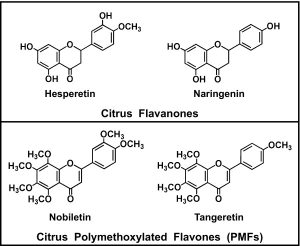
Research has shown that the flavonoids Naringin, naringenin, nobelitin, narirutin, and hesperidin are the most important flavonoids isolated within citrus fruits as they contain strong antioxidant and anti-inflammatory properties. And if you’re wondering which citrus fruits have the highest amount of flavonoids then you’re in luck. The National Institute of Health listed oranges, mandarins, grapefruit, lemons, bergamots and limes as varieties being the most “notably rich in flavonoid content”’.
Hunt down citrus for your flavonoid fix
If you need another reason to enjoy seasonal, delicious and healthy citrus then a good dose of flavonoids may be your next excuse. Given the human body is made up of trillions of cells, the importance of preserving them is pretty high up there when it comes to a long and healthy life and immune system resilience. Who would have thought the humble orange could be so powerful?
Hunt down your next flavonoid fix and find Dracula Citrus where all good Australian citrus is sold. We’re in peak season and extra delicious between May and November.
For more information on the benefits of citrus and delicious recipes, visit our recipes page, read our other blogs.
Kid-Friendly Citrus Activities and Recipes
There are so many ways to get your kids to love citrus fruits, not only by eating them but through play. The Dracula citrus range isn’t just spookily sweet and delicious to eat, it’s a fantastic addition to playtime! The possibilities are endless, from crafting citrus stamps to concocting smoothies or exploring sensory play with citrus. These simple activities spark imagination and provide a hands-on way for kids to learn about different fruits and flavours while having a wickedly good time!
DIY Citrus Stamps
It’s time to bring out the “fun art parent” and thrill your kids with an easy paint project. This activity gets kids excited about exploring their senses and expressing their creativity. It also introduces them to the wonderful world of citrus fruits in a fun and interactive way.
What you’ll need
- Any Citrus – try oranges and lemons.
- Paints – at least a couple of different colour options are ideal. Ensure that they’re non-toxic.
- Paper or fabric for your canvas.
- A knife and spoon to remove the citrus pulp.
Step-by-step instructions
- Cut your citrus fruits in halves.
- Use a spoon to scoop or a knife to cut the flesh from your citrus. You can remove the flesh completely. Or you can cut in and around the white fuzzy layer between the skin. Note, if you decide to do this it’s best to let your stamps dry out for a day or so.
- Squeeze the juice from the citrus to put aside for later.
- Use a hair dryer to express dry your citrus!
- Place your paint directly onto your citrus stamp and stamp your canvas. Or dip the cut side of the citrus into the paint.
- Explore the different colourful patterns you can create with your citrus.
- Hang up your masterpieces to dry and revel in your accomplishments!
While you’re waiting for the paint to dry, let’s whip up some citrus smoothies!

Citrus Smoothie Making:
Get kids involved in making citrus smoothies by squeezing fresh citrus! Provide a variety of fruits along with yoghurt and/ or milk, and let your kids experiment with different flavour combinations. Smoothies are a delicious and nutritious way to enjoy citrus!
What you’ll need
- Citrus fruit
- Smoothie-making ingredients: yoghurt/ice cream/ berries/ mango/ banana/ milk.
- Smoothie-making equipment: knives, spoons and a blender.
Step-by-step instructions
- Chop your fruit and squeeze your citrus.
- Add your ingredients to the blender.
- Blend away!
- Serve your smoothie in funky glasses and present them with citrus pieces on top!
Looking for something a little more indulgent? Why not try our choc-orange smoothie recipe? You can find the recipe here
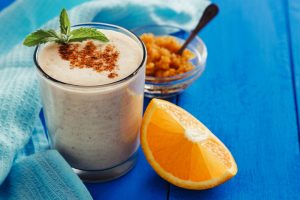
Smoothies are great during the warmer months! Looking for more fun ways to keep cool with citrus? Try sensory citrus water play.
Sensory citrus water play
When you’re looking for a fun way to keep kids busy whilst keeping them cool, there’s wicked fun that can be had with a simple tub and citrus. Filling a tub or bowl with water and placing pieces of citrus that beautifully float around in the water is wondrous for kids. The touch and smell are exciting experiences on their own. You can even use tongs, scoops, colanders or sieves and collect the citrus pieces!
What you’ll need
- Bowl, storage tub/ bucket of water or a play pool.
- Sliced citrus.
- Optional: tongs, scoops, colanders or sieves
Step-by-step instructions
- Fill your container with water and place it outside on a nice patch of grass.
- Cut the citrus into thick slices, leaving the peel on so that they’re easy to pick up.
- Place the fruit into the tub.
Remember to supervise kids closely at all times around water! Handy tip – if your kids are sitting in the water have a drying area ready with a towel and fresh clothes ready to go. Also, remember to stay sun-smart when outdoors.
Lifelong citrus lovers
Letting our kids make messes amid our already messy lives isn’t always the easiest thing to do. As we embrace these experiences, our home transforms into a space where our children feel empowered to think, create, and explore new horizons with confidence. Citrus fruits inspire a variety of creative and engaging activities for children. Let’s encourage lifelong lovers of citrus!
At Dracula Citrus™ we take the best citrus from the top-growing regions around Australia and bring them together under one roof. That’s how we get the best variety and quality citrus with the sweetest flavour. Look out for Dracula Citrus™ in your local supermarket.
Winter Remedies: Improve Your Immunity with Dracula Citrus™
We are well and truly in the thick of Winter here in Australia and I’d bet that there is at least one person you know at the moment who has a pretty bad cold right now. In fact, I’d go as far to say that most people are onto their second cold (or flu). Sounds fun, doesn’t it?!
Most of us are quick to reach for the Sudafed Cold and Flu tablets to keep us going. That’s totally fine, by the way. I’m not here to judge anyone’s life choices. But some of nature’s finest immunity boosters are readily available right now. They’re cost effective, you can give them to the kids (no excluding those under 12) AND they taste delicious.
Yep, it’s citrus season and we here at Dracula Citrus™ have a bunch of citrus varieties out in the market that are not only rich in immunity building vitamin C but also high in fibre, making them a perfect winter remedy.
Fight off Colds – Pump Up Your White Blood Cell Count with Vitamin C
You’ve probably heard it a million times over “citrus fruits are a vitamin C powerhouse” that’s because they are. Each deliciously sweet citrus variety contains potent antioxidants crucial for immune support. Just ask Harvard Health. They confirmed that vitamin C is vital for the proper functioning of immune cells enhancing their ability to combat infections effectively. Say what?!
Vitamin C also helps to stimulate the production of white blood cells. And if you’re not familiar with why that is important, let’s just say that they’re the body’s frontline soldiers against infections and illnesses. My advice – load up on citrus to keep your immune system in fighting shape (quite literally).
Boost Your Overall Health: Fibre and Collagen
The Mayo Clinic highlights the importance of dietary fibre in maintaining a healthy digestive system. Regulating bowel movements, preventing constipation, and supporting a healthy gut microbiome should be on everyone’s radar and fibre is an essential element on this journey. Citrus fruits are an excellent source of both soluble and insoluble dietary fibre. Soluble fibre helps lower cholesterol by binding to it in the digestive tract and removing it from the body. Moreover, fibre contributes to feelings of fullness, aiding in weight management and promoting healthy eating habits.
Now onto collagen.
I’m not sure if you’ve seen the viral collagen face masks floating around social media right now?
They retail for about $80.
For one mask.
Turns out Vitamin C is a necessary component for collagen production. Aside from turning back the clock, collagen (a protein that aids in wound healing), supports skin health, and promotes the strength and integrity of bones, teeth, and blood vessels.
Now I’m not saying that eating citrus is going to stop you ageing but it’s not going to hurt your skin and bones. Just ask the National Institutes of Health. They’ll tell you that vitamin C is vital for collagen biosynthesis, crucial for maintaining skin, blood vessels, bones, and cartilage. Pretty neat. And your bank balance will thank you for it.
How to squeeze more citrus into your diet
If you’ve read this far you’ve probably got the idea that adding citrus to your daily diet is going to offer you a wide array of health benefits like boosted immunity, skin health support and aided digestion. The next question is how do we get some citrus into our diets each day?
Here’s a few ideas:
- Whizz up some flavourful icy poles with orange juice and banana for the kids
- Try adding freshly squeezed lemon juice to hot teas or soups for an extra vitamin C boost. Our Tomato and Orange Soup is a recipe that doesn’t disappoint.
- Segment your navel oranges, blood oranges, mandarins, tangelos, dekopons or cara caras and add them to salads for a burst of flavour and nutrition. You can read more about their flavour profiles here
- For a cosy, comforting and delicious treat, bake citrus segments and drizzle with honey and a little cinnamon for a healthy dessert.
Boost Your Health and Immunity with Vitamin C
By including citrus fruits in your winter dishes, you’ll enjoy a rock-star diet, satisfy your taste buds, and have an immune system ready to tackle colds and flu. Vitamin C in citrus is the key. Boost your immune system with these delicious and nutritious choices to stay at the top of your health all winter long!